
This is a guest post from New Zealand Country Manager, Brad McIntyre.
Kiwi’s are spoiled for choice when it comes to foodie events. Stuff.co.nz reported last year that there are more than 100 wine and food festivals in New Zealand – one for every three days – with more popping up. Still, it would seem we still can’t get enough. The Eventbrite platform has seen a 47% increase in food and drink events over recent years and is showing no sign of slowing down.
A recent trend I’m noticing in an effort to stand out (globally and here in AU/NZ) is the rise of the niche food festival. Foodie events have popped up dedicated to everything from the espresso martini to tomatoes and even garlic! These festivals tend to attract a healthy amount of PR from the food press, especially in the first year, drawing in devotees of their favourite food and drink.
But where to from here? Is it possible to create a niche food event that has longevity and can draw a crowd year after year? If done correctly — definitely. For inspiration, here are four tips for creating a niche food event that will stand the test of time:
1. People want a unique experience from food events
Have you ever attended a food festival only to stand for hours in a queue to eat what you essentially could have eaten in the vendor’s restaurant? This is a big point of frustration for food event attendees and is a sure-fire way to put people off from coming back next time.
Attendees are looking for a unique and more personal experience at an event. Providing the opportunity for guests to meet and learn from the masters of the trade can create these kind of share-worthy experiences that will have them talking about your event well after it’s over. This is especially true for niche festivals, where you’re attracting devotees of a particular food or drink that they love.
Encourage owners, winemakers/brewers, and brand ambassadors to run demonstrations or sell the story of their cooking/drink brand at their stalls. Hands-on classes and workshops are also perfect upsells at food & drink festivals as everyone from novices to experts are interested in how others prepare their signature dishes. A great example of this was from the recent Melbourne Tomato Festival, where chef Guy Grossi hosted a live cooking demo to a crowd of Italian food lovers — an experience that you could not get in his restaurant or at your average cooking class.

2. Come for the food, stay for the party
If you’re making a single ingredient or drink the hero of your event, don’t forget to create the right atmosphere around it to give people something else to hang around for. A perfect example of this is Pinot Palooza. Not your average wine tasting event, people come for the pinot but stay for the party, as this festival cranks out tunes and good times to enjoy alongside their pinot noir tasting. Instead of focusing on providing tokens and shuffling attendees around from booth to booth, people are tasting wine in a social atmosphere. 42% of event attendees have been to one or more of these events, signalling that their strategy is working well to keep guests coming back.

3. Consider a pop-up dining event
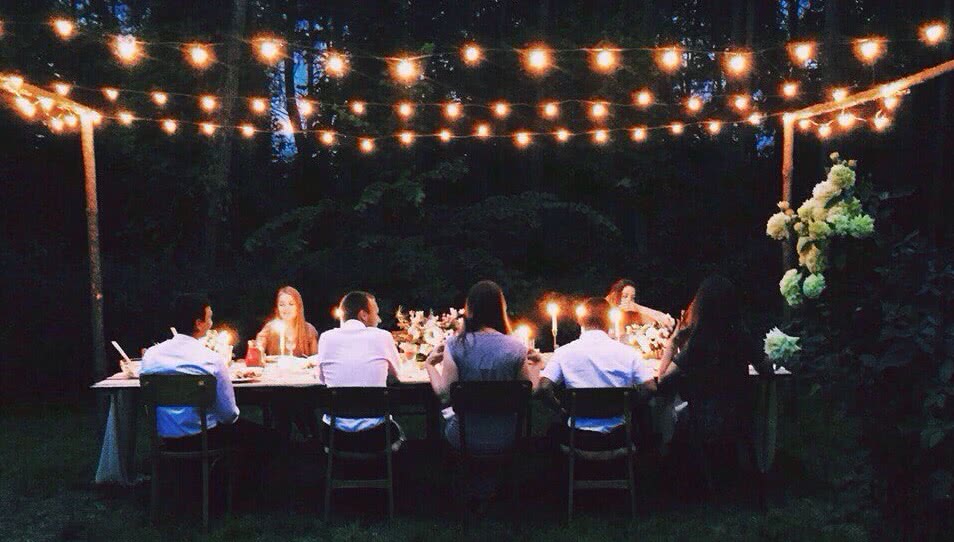
If you know you’re onto a winner of an idea for your niche food event, but are struggling to find enough vendors to create a whole festival — consider creating a pop-up dining event instead. Eventbrite analysed 40,000 dining events in the US and found that pop-up dining is the fastest growing food event trend in the US, experiencing 82% growth.
The same study also uncovered what people are willing to pay for in a pop-up dining event. They are:
- A unique menu or theme: 84%
- Events that promise to be one-of-a-kind: 74%
- A memorable location: 76%
Cost is not a major concern to the experiential diner — 59% don’t feel that a pop-up dining event’s cost is very important when deciding whether or not to attend. This makes it the perfect kind of event to showcase a unique experience for your hero ingredient.
4. Curation is key
While it is good to have red hot vendors and trendy food & drink offerings, it’s also important to carefully curate your festival and make sure that your vendors/exhibitors make sense together.
If you’re hosting a cheese festival for example, don’t jam it full of doughnut stalls even if they are popular. It’s also important not to accept every application just to fill space. Don’t try and fill empty spaces with common market stalls such as candles or jewellery for a cheese festival — if it doesn’t make sense to your event, it will feel awkward. Seek out quality vendors related to wine and cheese, such as cheese board or knife suppliers if you need additional stalls.
Get in touch
Eventbrite already supports a host of great food & drink events in New Zealand such as Wellington Food & Wine Festival, Pinot Palooza, NZ Coffee Festival, Canterbury Truffle Festival, Beers at the Basin, GABS and more. If you want to talk to us about your food or drink event, please feel free to get in touch on 0800 448 422 or connect with me on LinkedIn.
For further assistance turning your foodie event dream into a reality, download this workbook: Calculate Your Profits From Food, Drinks, & Merch