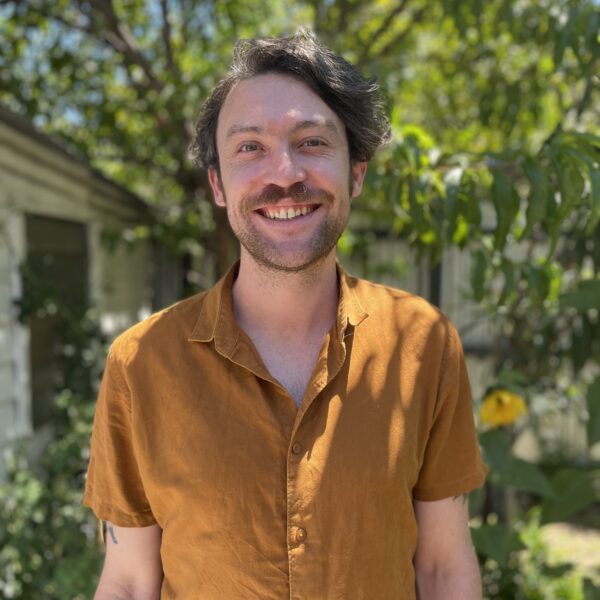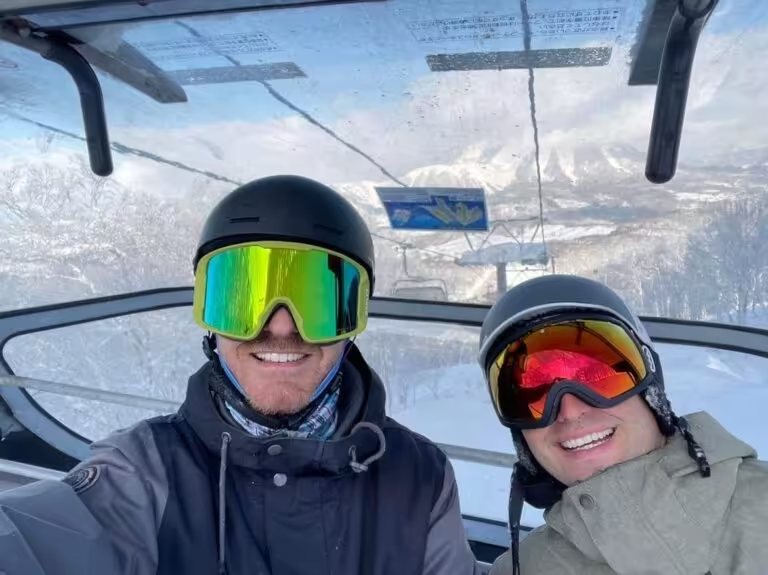
Medical professionals know that conferences can be a little stuffy. Since 2016, paramedics and EMS Conferences organisers Dylan Tindale and Quentin Shircore have been ignoring convention and doing things their own way. “We met in 2009 when we started training to be paramedics,” says Tindale. “Five years into that career we both decided we were into snowboarding, wanted to do an annual trip and we thought that we’d start a conference over in Rusutsu, Japan, basically as an excuse to get over there every year.”

Rusutsu – a snowsports hub in Hokkaido, Japan – might not be the first place you’d think of for a conference of Australian emergency medical personnel. For paramedics, nurses and doctors working in acute settings, though, the chance to combine networking and professional development obligations with a holiday-style getaway is all part of the appeal.
An educational approach
On one hand, attendees come to learn, network with others in their field and hear from the experience of guest speakers. While the education is only two hours each day, Tindale and Shircore still have to schedule content that ticks boxes for all three medical fields and does so in a way that keeps it interesting across the five-day event.
“We look at not just up-and-coming changes to practise but also interesting case studies and we get people that have a link to our conferences,” says Shircore.
“For example, one year we had someone who worked in mountain patrol and they were able to talk about the rescue side and medical treatment they can provide. All our presenters are based around what we feel would appeal to all our audience and the presenters that we ask back are the ones that are engaging.”
This is the key to the success of the educational side of the conference, says Shircore: everything has to command attendee attention. “At the end of the day, it’s only two hours of content, face-to-face a day that we do, and so there’s a pressure there to make sure it’s a really good two hours.”
A focus on fun
The other side of the conferences – and a big part of their ongoing success – is the location. It goes without saying that there’s little point in inviting people to the other side of the world just to sit in a conference room, so having fun is a big part of the experience. In Rusutsu, a typical day in the life of a conference attendee might go something like this: “Wake up, have breakfast, ride until the lifts close and then come in and attend the conference,” says Tindale.
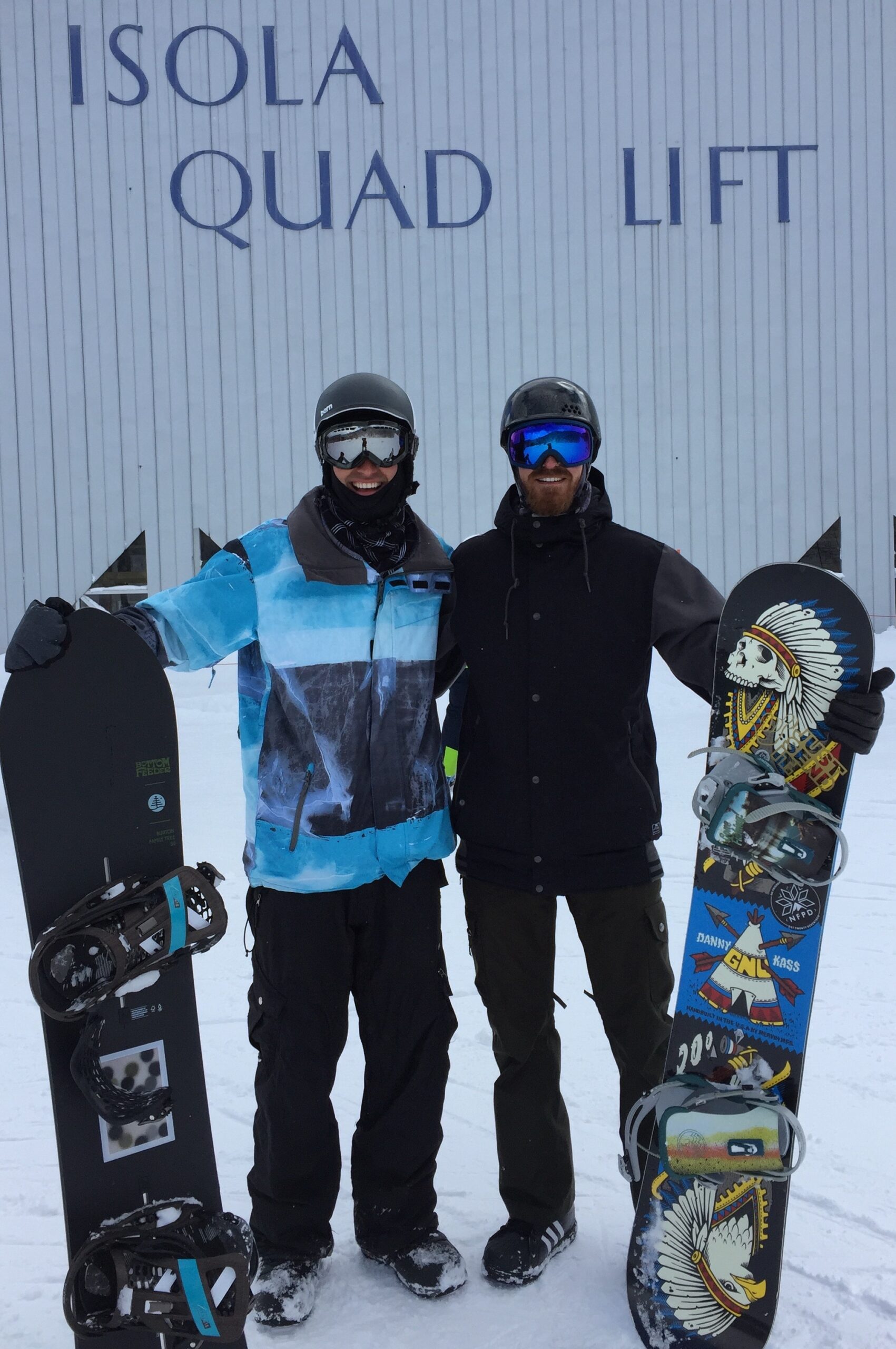
Besides the snow resort life, there are plenty of ways attendees are encouraged to let off steam. “At each event, we run a welcome party, which is really cool,” says Tindale. “People come in, register, get their show bag, we’ve got food and drinks, music playing, people mingling – it’s a really cool environment. Then we have the closing party which is really fun because people have met each other, you get to know each other during the week and it’s the finale.”
Growing the conferences
EMS Conferences started as a bit of a pet project for Tindale and Shircore, and the duo openly admit that they didn’t really know much when they began. “We’d never been to a conference before,” says Tindale. “We just did it in the format that we thought we would like if we were to attend a conference and the feedback was overwhelming. We were really nervous but we were really blown away by the feedback we got at the end of that event so we thought, yeah, we’re definitely on to something.”

Since the success of Rusutsu in 2016, EMS Conferences has grown to three locations, adding another ski resort in Queenstown and a tropical version in Bali. The numbers have also steadily increased, with the latest event having 255 attendees, up from 60 in 2016. As the conferences have grown in size and number, Tindale and Shircore have learned plenty of lessons they’re happy to share with other event creators.
“The big one for us when we first started was just to have a participant-first approach,” says Shircore. “It was just simple things like if someone is emailing us or contacting us, getting back to them as soon as possible. If someone wants to know about accommodation, even though we don’t book accommodation for people, we’ll do the research ourselves so we can give them a bit of a heads up of what’s out there.”
This year EMS Conferences is also growing socially. Though it’s hard to argue that emergency medical professionals don’t already give enough back, Tindale and Shircore have added a charity donation to their ticket sales. Now, $15 from each event registration will go to mental health charity Beyond Blue, with the goal to raise $9000 by the year’s end.
Partnering with Eventbrite
Tindale and Shircore were there at the start and EMS Conferences is still just the two of them. Their roles crossover but, generally, Tindale deals with marketing and design while Shircore wrangles presenters and attendee registrations with a little email marketing thrown in. With over 600 participants per year now, the two have begun leaning more heavily on the tools provided by Eventbrite to help everything run smoothly. “Eventbrite takes a lot of the work out of it for us to allow us to concentrate on all the things to be able to grow it.”
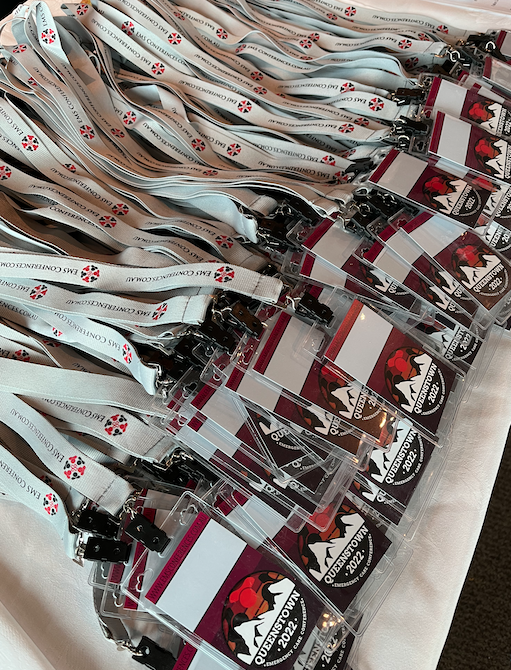
The most obvious starting point was ticketing – a manual process in the beginning that quickly needed automating as attendees grew. Perhaps the biggest Eventbrite success for EMS, though, has been website integration, which keeps visitors on their page instead of being redirected.
“We didn’t like the idea of getting people to come to the website – advertising, posting, doing all those things – and then when it comes to registration, you send them to another website,” says Shircore. “We really wanted to keep the traffic on our own website, and Eventbrite allows us to do that.”
Shircore also finds Eventbrite’s data insights to be a valuable way to narrow the event’s promotional focus. “We can look at the reports they generate in terms of where people are registering from. Are we getting the same kind of pattern as in previous years? For example, are we expecting most registrations for Rusutsu in April or May and, if so, do we need to look at promoting from outside? Or do we need to extend early bird specials with the accommodation deals with third parties? That’s the reporting function that we do use.”
In 2023 EMS Conferences will run three events – Rusutsu, Queenstown and Bali – while next year they’ll add a second Rusutsu conference. Though they’re always moving forward and growing the event, Dylan Tindale and Quentin Shircore still find time to reflect on just how far they’ve come. “We really came in knowing nothing about conferences,” says Shircore. “Every year we go back to Rusutsu and we still remember what it was like that first year and the fear of trying to put on an event for 60 people.”
Feeling inspired by the EMS Conferences story? Check out more of their upcoming events and start planning your next immersive event here.